
Cost
Choose a camera that fits your full budget, including the lens and accessories.
How to choose a camera and lens that fit your needs and budget.
Buy for the photos you take
Set a budget, choose a lens system, and buy only what you need.
There is no perfect camera. Start with your budget, what you photograph, the lenses you may need later, and the limits you can accept.
This page does not list every good camera. A model is worth considering if it fits your budget, feels comfortable, and works with lenses you can afford.
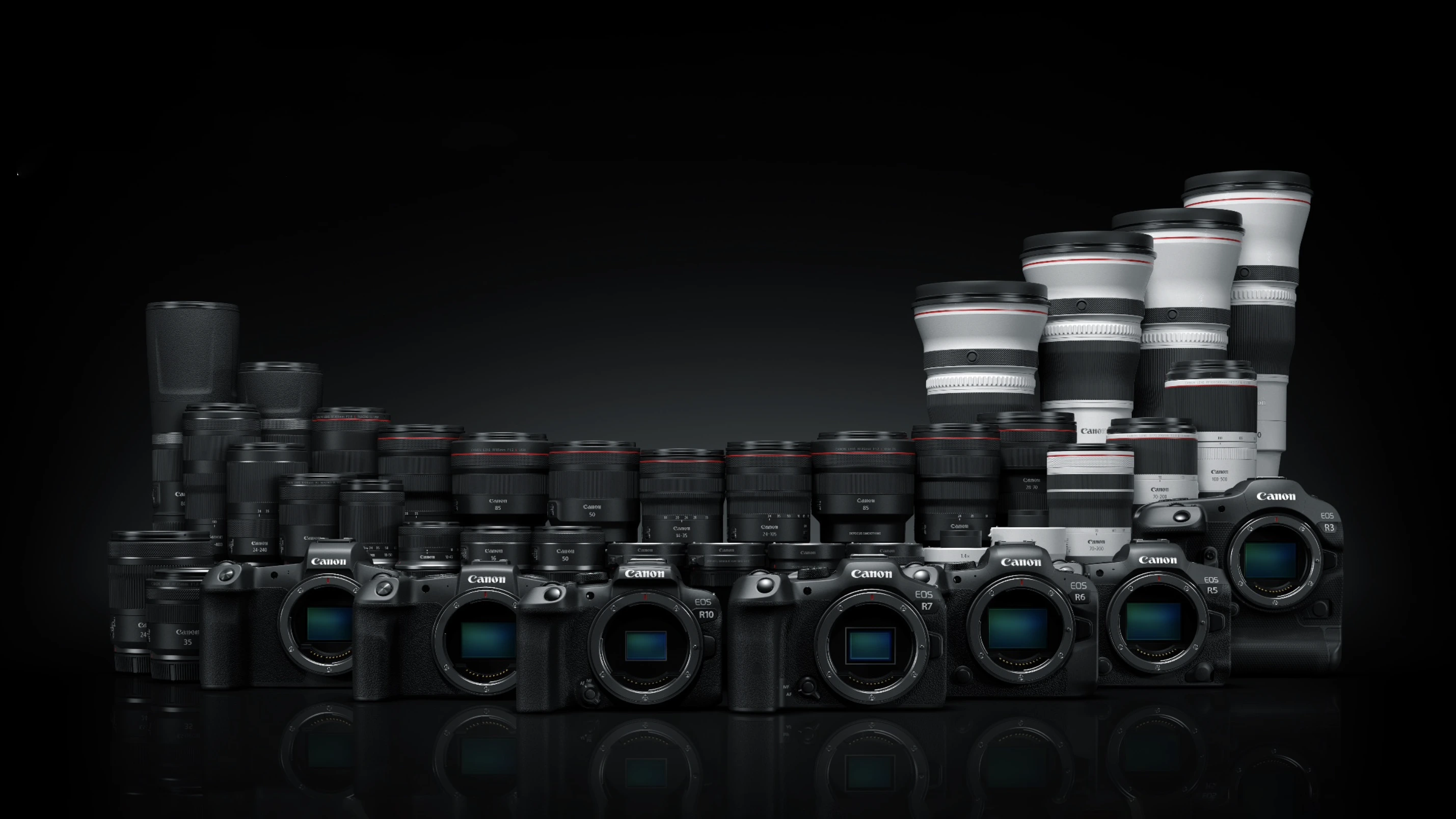
Before choosing a model
Your priorities depend on your budget and the photos you take. Sports, street, and travel photographers need different things.
Include the lens, batteries, memory cards, and a bag. A cheaper body with a good lens is often the better buy.
Sports and wildlife need fast autofocus. Street and travel work well with small kits. Portraits and events often need better lenses and low-light performance.
A small camera you carry is more useful than a better camera left at home.
The lens mount controls which lenses you can use. Check lens prices before choosing a body, especially for a full-frame system.
Used gear
Many older cameras still work well. Compare used prices on sites such as eBay, MPB, and KEH. Check the condition, shutter count if listed, return policy, included battery and charger, lens mount, and sensor.
Confirm the model, included accessories, visible wear, and any listed damage.
Check lens prices before buying the body. A cheap body is not a bargain if its lenses cost too much.
Buy from a seller with a good rating and a clear return policy.
Camera features
Choose a camera that fits your full budget, including the lens and accessories.
The mount controls which lenses fit. Most brands use their own mount, and third-party support differs.
DSLRs use mirrors and an optical viewfinder. Mirrorless cameras use an electronic viewfinder and often cost more.
Basic autofocus works for still subjects. Sports, events, wildlife, and fast action need better tracking.
Smaller sensors often use smaller, cheaper lenses. Larger sensors can help in low light and give more depth-of-field control, but the system costs more.
In-body image stabilization lets you use slower shutter speeds by hand. It reduces camera shake, not subject motion.
Smaller, lighter gear is easier to carry and may help you take more photos.
Nice to have
A fully articulating screen helps with video and unusual angles. A tilting screen is quicker to move.
Long battery life helps, but you can carry a spare battery.
It helps in rain and dust, but the lens also needs sealing. Most cameras are not waterproof.
A good viewfinder helps with fast action and bright daylight. Some people prefer the rear screen.
Try the camera in your hands. Comfortable controls make it easier to use.
Most cameras have enough. More pixels help when you crop heavily or make large prints.
More range helps recover bright and dark detail from Raw files, especially in harsh light.
Specialized
Combine several shifted frames for more detail. They work best with still scenes.
Holds burst photos before writing them to the card. This matters for sports and wildlife.
Can distort fast movement, especially in video and action photos.
A high frame rate helps with sports, wildlife, and other fast sequences. Most beginners do not need it.
Save a second copy for professional work. Most beginners need only one slot.
Recommendations
These are examples, not a full list. Prices change often, especially for used gear. Check current listings before buying.
M43$400 or $700 used
Older bodies with many features for the price.
M43$500 used
Small and well suited to street photography.
Full-frame$700 used
A low-cost entry into full-frame mirrorless.
M43$2200 new, often much less used
Strong features, especially for wildlife.
Full-frame$1000 used
Still capable, but older than the A7 IV in autofocus, resolution, and body design.
APS-C$1000
An entry-level Canon APS-C body with strong autofocus.
Full-frame$1450
Modern full-frame autofocus at a lower cost, but with shorter battery life and no IBIS.
Full-frame$1600
An entry full-frame body with strong image quality, autofocus, viewfinder, and lens support.
APS-C$1600
A small APS-C body for both photos and video.
Full-frame$2000
A Sony all-purpose body with strong autofocus.
Most current cameras above these prices are capable. Choose the lens mount and system before comparing small differences between bodies.
DSLRs
These charts compare Canon and Nikon DSLRs using new prices from the original guide. Many now cost much less used. Check current used prices, then use the charts to compare the cameras. Thanks to Yang for the charts.
Set a budget. Choose a system with affordable lenses. Buy used when it saves money, and leave enough for the lens you need.